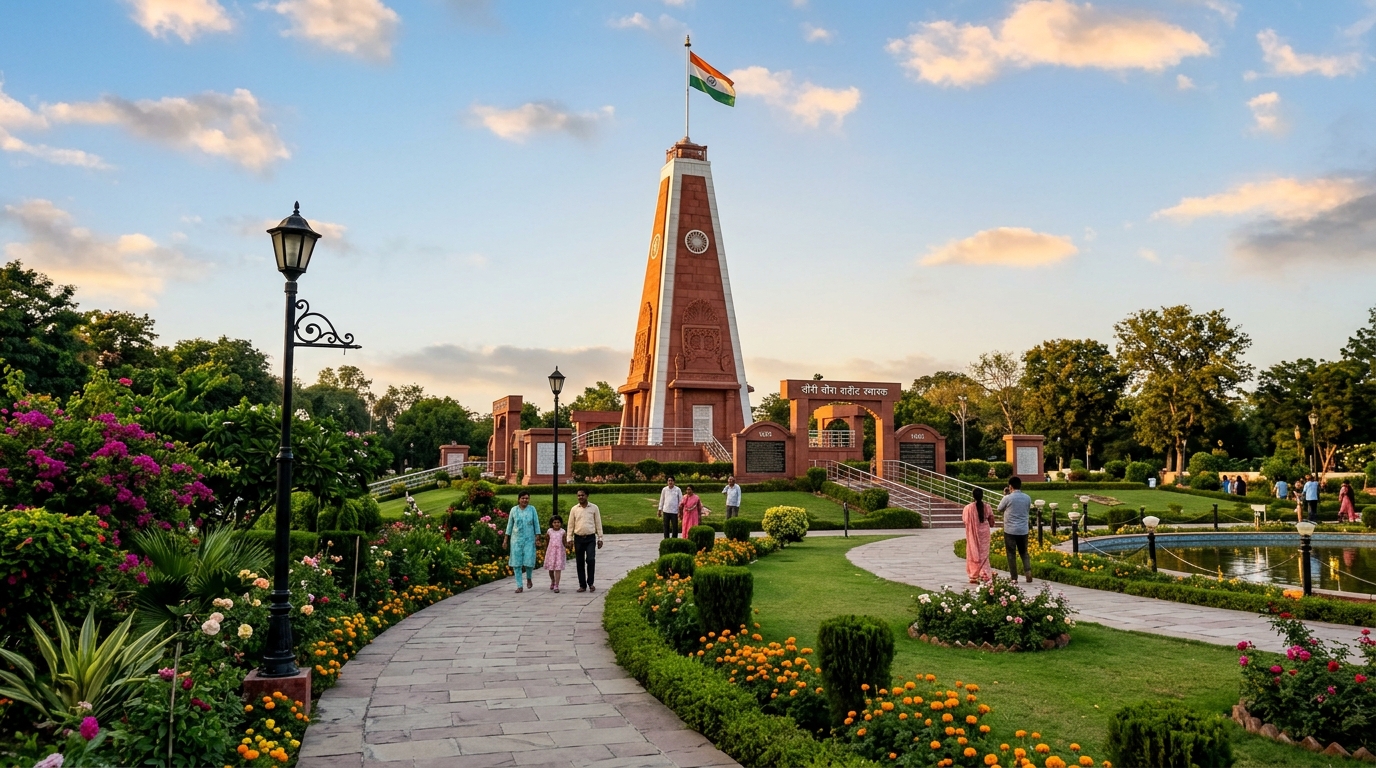
Few soil beds in northern India hold the revolutionary gravity of Gorakhpur. On 4 February 1922, the defiance at Chauri Chaura transformed the trajectory of Mahatma Gandhi's Non-Cooperation movement. Today, the majestic Shaheed Smarak stands as an eternal beacon of sacrifice, featuring museum archives, Martyr cenotaphs, and original colonial tribunal records.
Archaeologically authenticated sanctuaries, colonial clocktowers, and centennial publishing monuments.
Practical advice curated by local historians for exploring Gorakhpur's heritage comfortably.
October through March provides crisp, temperate weather (15°C–24°C), ideal for exploring outdoor monuments and landscaped memorial grounds.
Electric city e-rickshaws, pre-paid railway station taxis, and app-based rides (Ola/Uber) are widely available across Civil Lines and historic quarters.
Personal DSLR and smartphone photography is free at Chauri Chaura and public monument grounds. Professional drone filming requires DGCA & District Magistrate clearance.
Authorized UP Tourism guides can be arranged at the Gorakhpur Tourist Information Centre near the Railway Station. Display ID cards upon booking.
Century-old mithai bhandars and traditional tea spots celebrated by generations of Gorakhpur residents.

Hot, crisp saffron-infused jalebis accompanied by piping spicy aloo sabzi and flaky hing kachoris made fresh every morning.

Stuffed with sattu, roasted over coal embers, and served submerged in pure desi ghee with spicy baingan-tamatar chokha.

Golden fried bread soaked in saffron syrup, layered with thick condensed malai rabri and garnished with silver leaf and pistachios.
Verified answers to common traveler questions regarding tickets, museum access, and timing.